


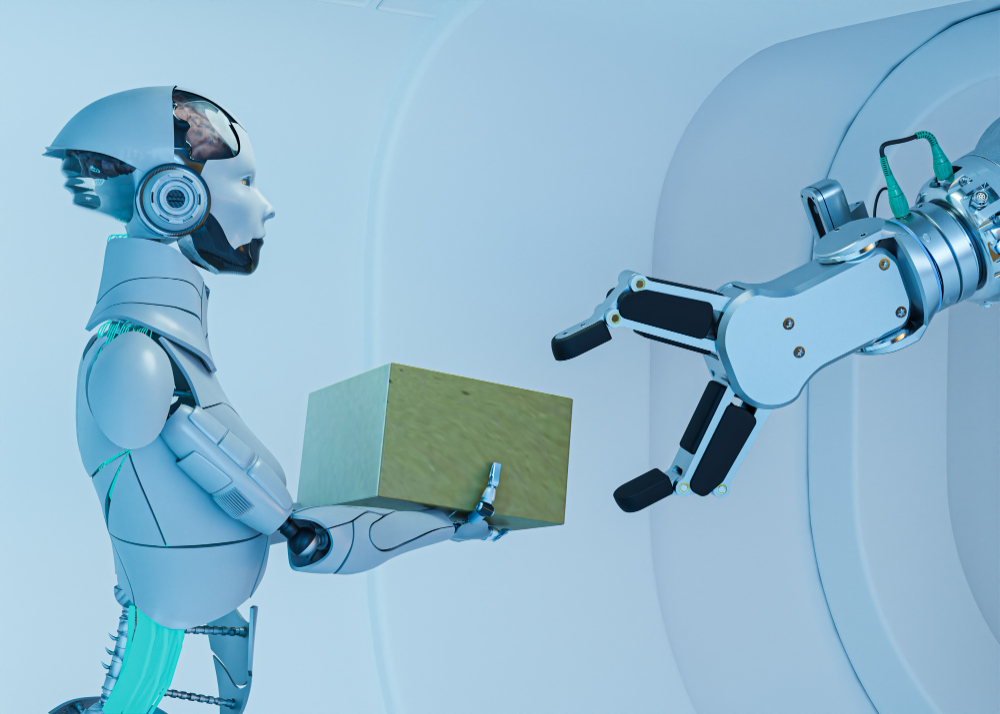
The Future of Logistics: How AI and Automation Are Transforming the Industry
The logistics industry is undergoing a technological revolution. Artificial intelligence (AI) and automation are no longer just futuristic concepts—they are reshaping every aspect of logistics, from warehouse operations to last-mile delivery. Companies that adopt these innovations are not only staying competitive but also driving efficiency, sustainability, and customer satisfaction.
In this article, we’ll explore how AI and automation are transforming logistics and what this means for the industry’s future.
1. Smarter Route Optimization with AI
Efficient route planning is critical for reducing costs and meeting delivery timelines. AI is revolutionizing this process by analyzing vast datasets in real-time to determine the most optimal routes.
- Dynamic Routing: AI algorithms factor in traffic patterns, weather conditions, and road closures to provide real-time updates and rerouting options.
- Cost Savings: By minimizing fuel usage and travel time, companies save significantly on operational costs.
- Improved Delivery Accuracy: Customers receive more reliable delivery timeframes, enhancing their experience.
Case in Point: Companies like UPS use AI-driven systems to optimize delivery routes, saving millions annually in fuel and labor costs.
2. Warehouse Automation: Efficiency Redefined
Warehouses are becoming smarter and more efficient with automation technologies. Robots, AI systems, and IoT devices are taking over repetitive tasks, allowing human workers to focus on higher-value activities.
- Automated Picking and Sorting: Robots equipped with AI can identify, pick, and sort items with incredible speed and accuracy.
- Inventory Management: Smart sensors monitor inventory levels in real-time, reducing the risk of overstocking or shortages.
- Seamless Integration: Automated systems integrate with supply chain software to streamline operations.
Example: Amazon’s robotic systems can pick and sort millions of items daily, reducing fulfillment time and boosting customer satisfaction.
4. Autonomous Vehicles and Drones: The Future of Delivery
The rise of autonomous vehicles and drones is revolutionizing last-mile delivery. These technologies promise faster, cheaper, and more efficient delivery methods.
- Driverless Trucks: Autonomous trucks are already being tested for long-haul transportation, reducing labor costs and fuel consumption through efficient driving.
- Delivery Drones: Drones can deliver packages directly to customers, especially in remote or congested areas, within minutes.
- Environmental Benefits: Electric-powered drones and vehicles contribute to greener logistics.
What’s Next? While regulatory hurdles remain, autonomous delivery systems are expected to become mainstream within the next decade.
5. AI-Powered Customer Service
AI is transforming how logistics companies interact with their customers by providing faster and more personalized support.
- Chatbots and Virtual Assistants: AI-driven chatbots handle common queries, such as tracking shipments or addressing delays, 24/7.
- Personalized Experiences: AI uses customer data to offer tailored recommendations and updates.
- Proactive Communication: AI systems can notify customers of potential delays and provide alternative solutions.
Example: Logistics leaders like DHL use AI-powered tools to deliver exceptional customer service, improving satisfaction and retention rates.
6. Sustainability Through AI and Automation
As companies face increasing pressure to adopt eco-friendly practices, AI and automation are helping them achieve sustainability goals.
- Energy Efficiency: AI optimizes fleet operations and warehouse energy usage to minimize carbon emissions.
- Waste Reduction: Automation ensures precise inventory management, reducing excess production and waste.
- Carbon Tracking: AI-powered tools help businesses measure and offset their carbon footprints.
Future Impact: Companies that embrace sustainable logistics practices will not only reduce environmental impact but also meet consumer expectations for greener solutions.
What Does This Mean for the Future?
The integration of AI and automation is not just a trend—it’s the future of logistics. Companies that invest in these technologies today will reap significant benefits, including:
- Cost Efficiency: Reduced operational costs through streamlined processes.
- Enhanced Resilience: Greater ability to adapt to disruptions and market changes.
- Customer Satisfaction: Faster, more accurate, and personalized services.
However, this transformation comes with challenges, such as the need for skilled personnel to manage advanced systems and the cost of initial implementation. Companies that strike a balance between innovation and human expertise will lead the way in shaping the logistics landscape of tomorrow.
Conclusion
AI and automation are setting new standards for efficiency, sustainability, and customer experience in logistics. As the industry embraces these changes, businesses that stay ahead of the curve will enjoy competitive advantages and long-term success.
Ready to embrace the future? Contact [Your Company Name] to learn how our innovative logistics solutions can position your business for success in this new era.